A Product Research Review to Set the Strategy
Company: Workday
Timeline: 2 months
Date: January 2022 - March 2022
Industry: HR
Background
This project came about at a time when we were a very well-resourced team, conducting as many as 6 research and design research studies simultaneously. Planning for research in the new year, I observed that our findings were very siloed. The problem was that we had lots of findings related to different areas of the product but we hadn’t made any connections or identified relationships between them.
I posed a question to our UX team "what have learned about our users this year?" There was no definitive answer..
Project Overview
As a UX Researcher, I led the project full-time and collaborated partially with a core team of two Senior Researchers and one Principal Designer. I led collaborative workshops with multiple product managers, developers, and designers, as well as the core team.
My role involved sophisticated stakeholder management, continuous stakeholder interviews, working sessions and update meetings to align on product priorities, project scope, generating understanding, timelines, etc.
Methodology
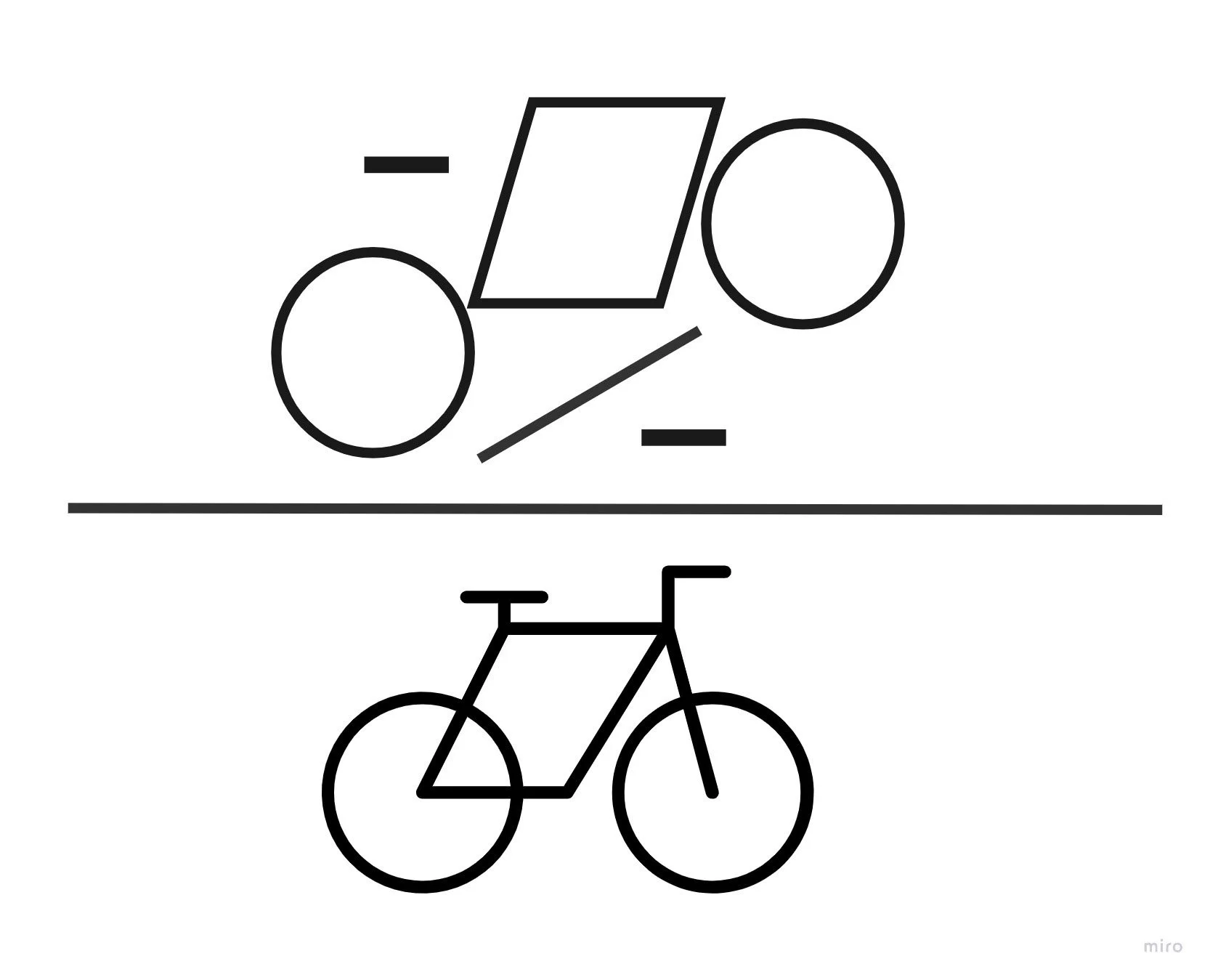
Approaching the ‘silo problem’
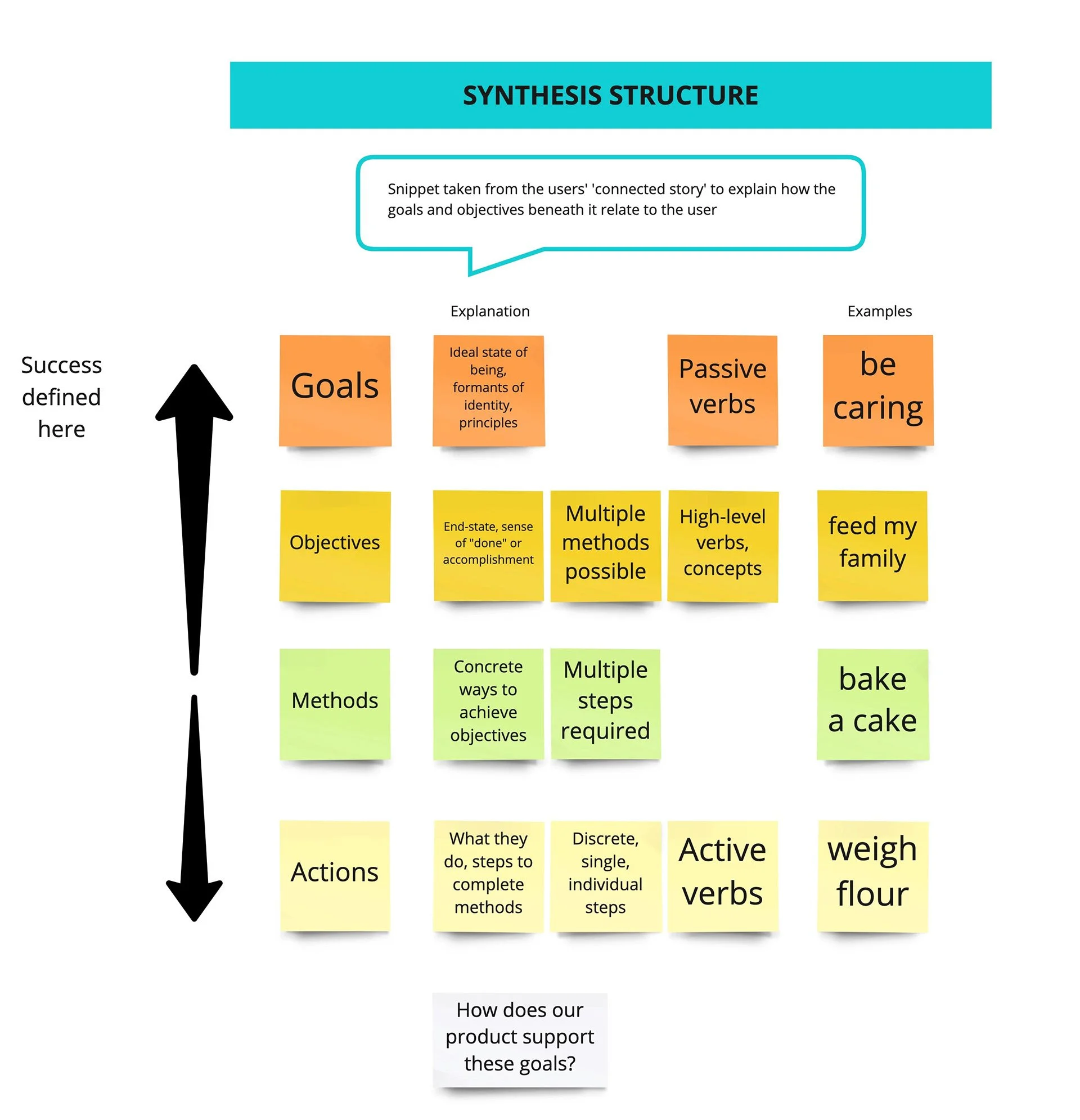
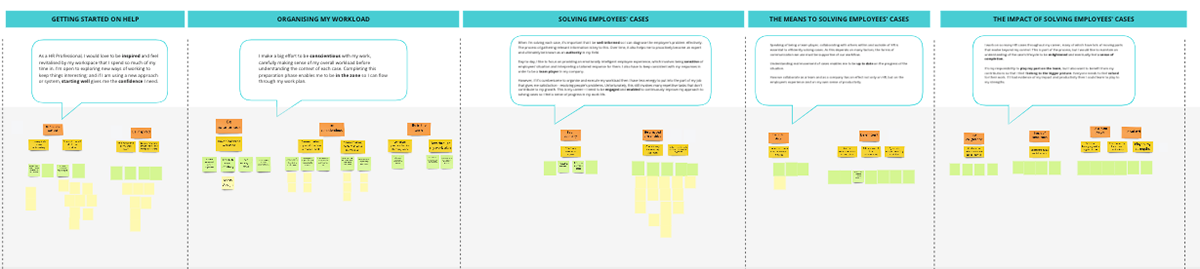
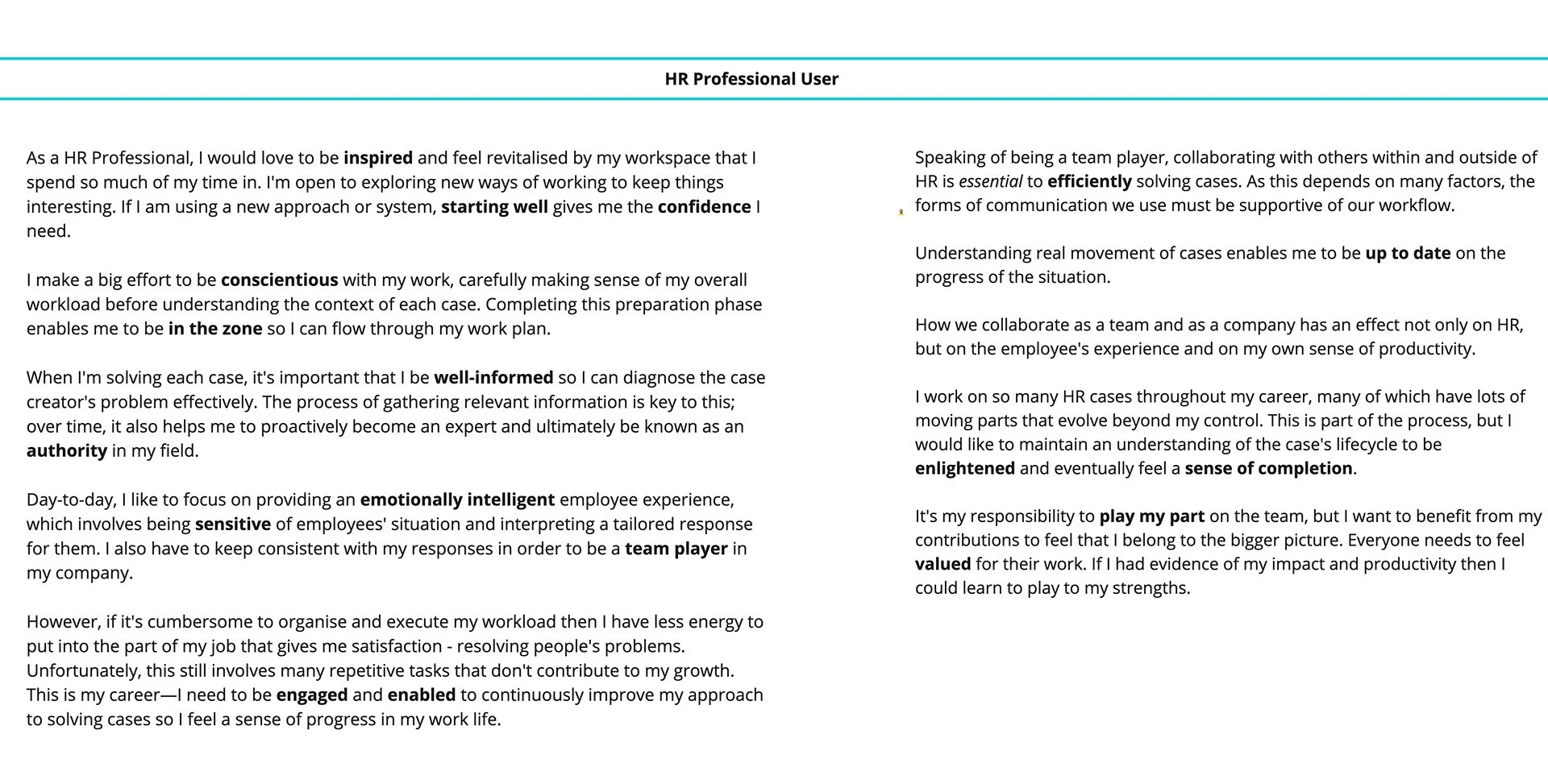
This synthesis project was aimed at sense-making and forging connections between multiple sources of research to form a cohesive picture of our users’ experience with Help. By taking previously analysed findings (from 11 studies) out of their ‘silos’ to identify relationships and tensions between them, we could build and scale what we knew to be true of our users.
Adapting research methods
While considerable role and journey discovery was required via 1-1 qualitative interviews, reviewing the methodology with other researcher peers highlighted the need to tie this discovery with a more tangible output that the product team could visualise acting on immediately for the MVP.
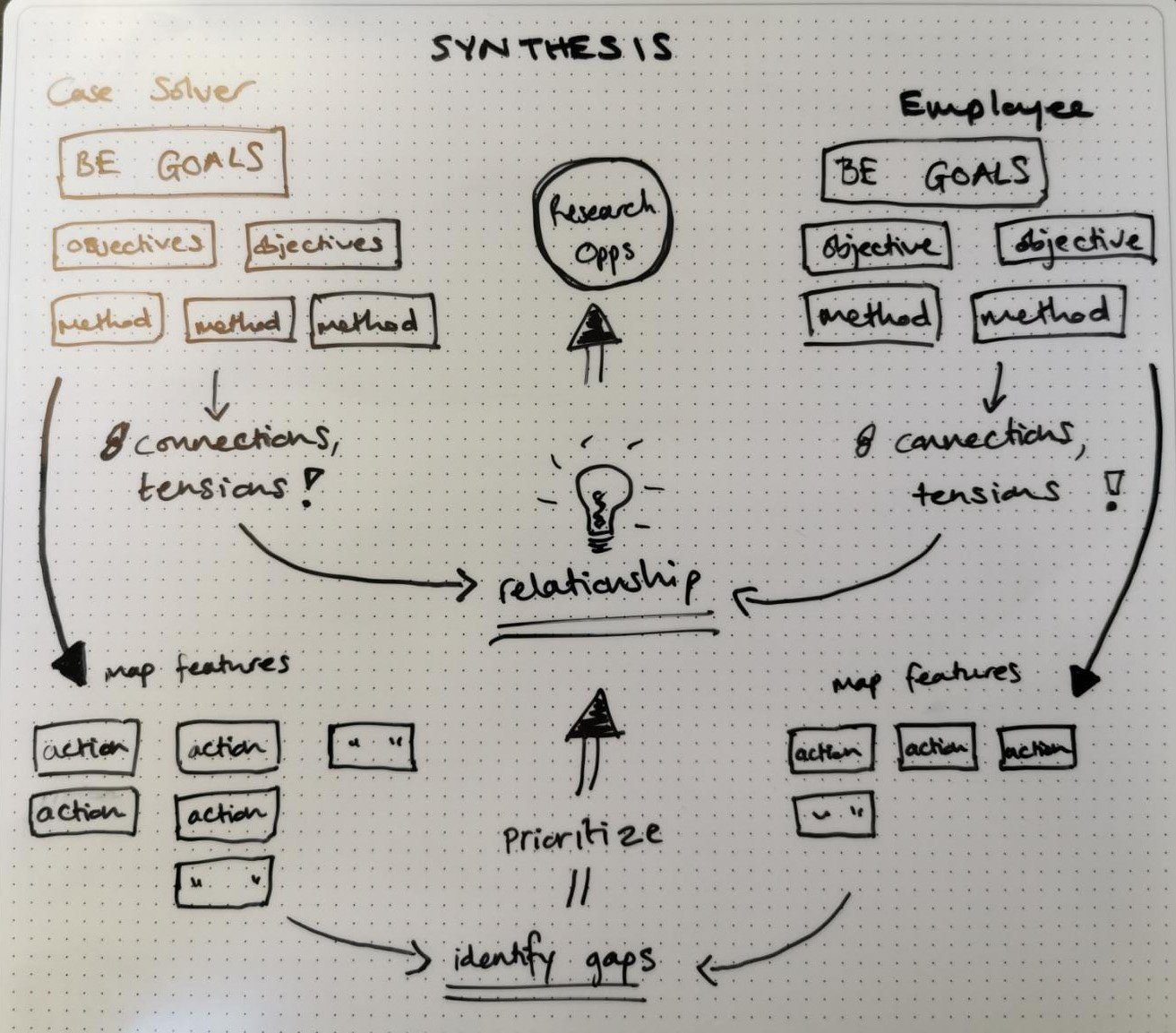
A Transparent Process
This in-depth synthesis approach enabled us to form evidence-based user stories that are meaningful and understandable by those outside of the core UX team, and elevated the team's understanding of what's important to our users and why.
"This is something we've really needed for our team. It brings everything together." - Product Manager, Workday Help.
Before conducting a formal share-out, I facilitated a remote team workshop with 10 product team members to introduce the process, walk through our inferences so far, and to gather initial feedback on how we should keep this work alive together and how best to present this work to stakeholders
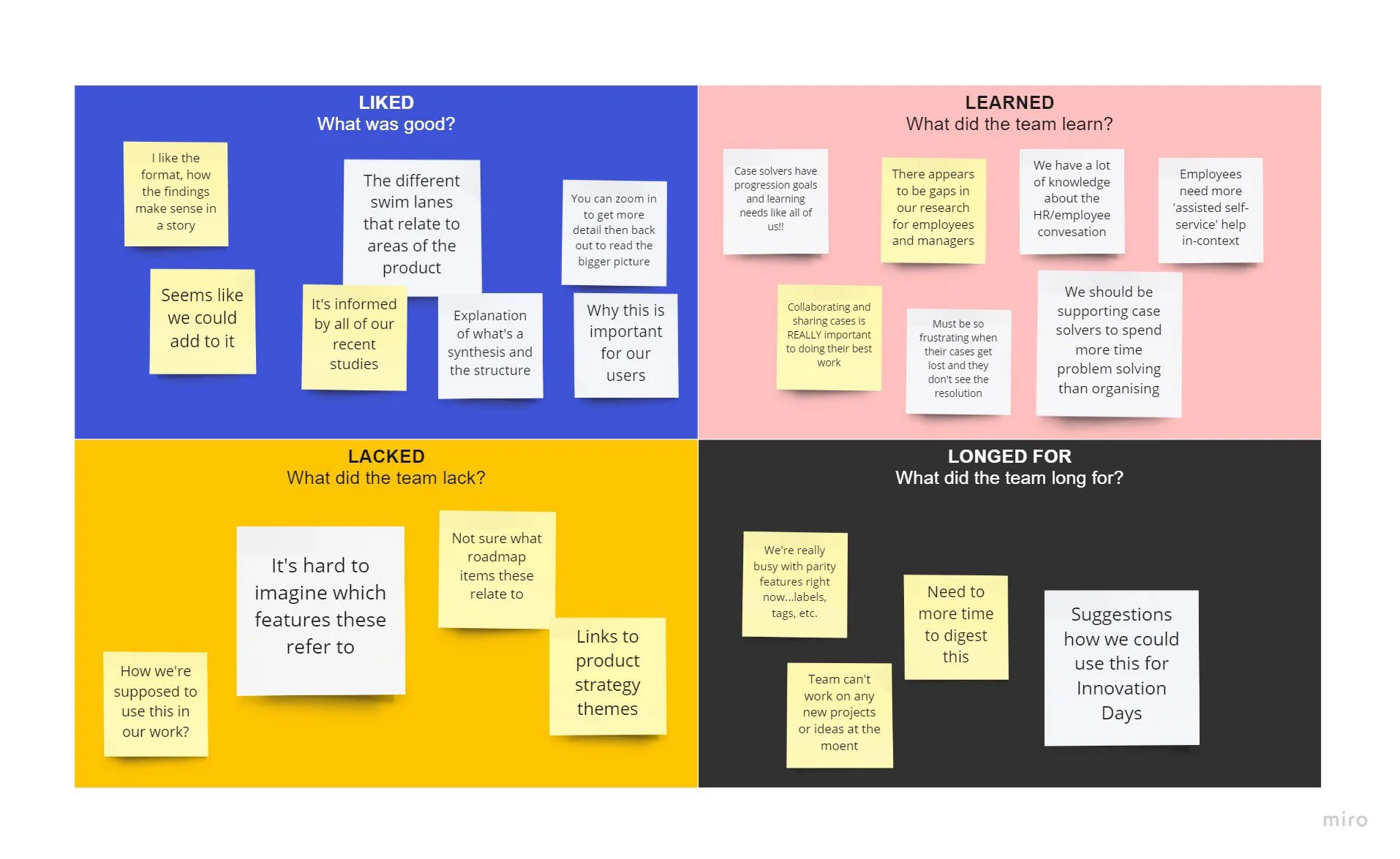
To tackle this, I ran a Research Retro with the team and realised that the developers couldn't make the connection between these high-levels user goals and their everyday work. It was too abstract. We needed something more concrete. .
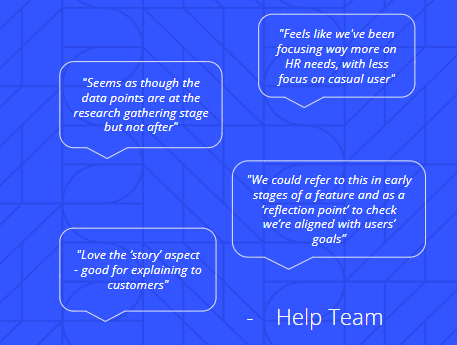
Failing Fast…
Despite the positive initial feedback, the formal share-out was a flop. There was little engagement and suggestions regarding how we could use this living artefact to guide our product decisions. Although it was initially disappointing that the value of this work wasn't recognised, I saw this as an opportunity to dive deeper into how to make research relatable to each function of the product team.
Iterating via Phase 2
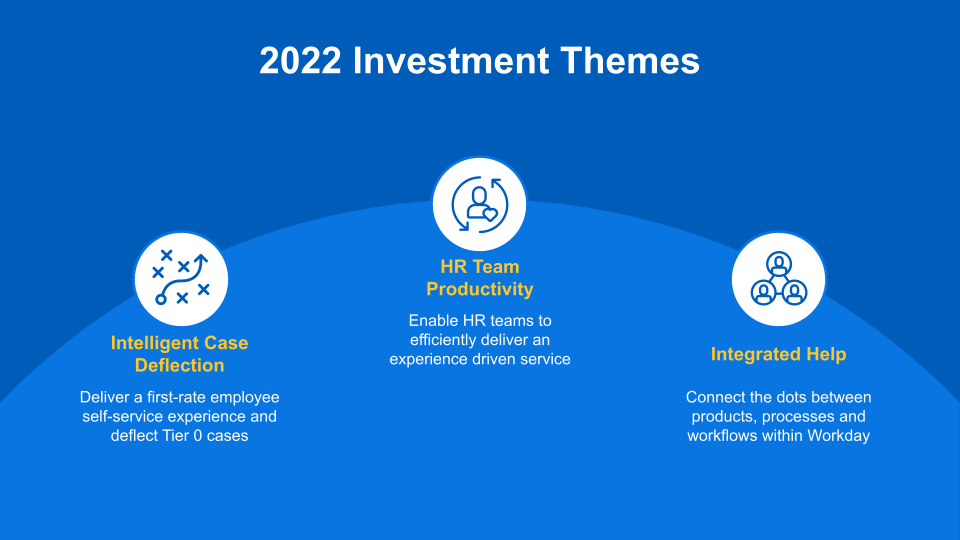
My main learning from the first phase of this project was how crucial it is to build a really solid shared understanding and set expectations with Product and Development first. To ensure the work was relevant and meaningful, I held stakeholder sessions to align our Project Goals with the current Product Strategy and Investment Themes.
Project Goals:
1. Generate evidence-based research recommendations that could inform the 2022.R2+ Product and UX Roadmaps
2. Onboard new UX Designers and Manager
Research questions:
How does the current Help product measure against our users’ goals?
Which user problems have we solved for? Fully and partially
Which areas could the product team focus on in the near-term and long-term to improve Help’s user experience?
Exercising User Insights
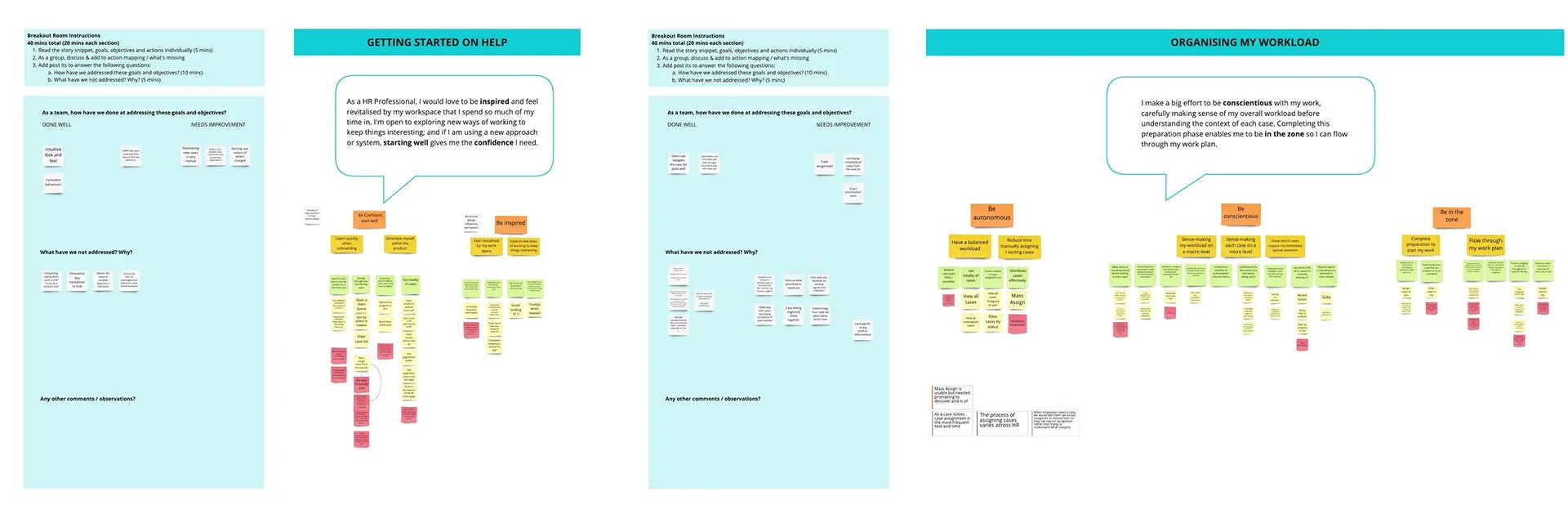
'The Action Mapping' activity below involved participants assimilating the user goals and then looking at our product to see where those goals are met / unmet. These exercises introduced new and existing team members to our research in a way that encouraged them to exercise research insights and relate them directly to areas of the product.
Separate working sessions were then held with key stakeholders to 'review' what we've done well, what we've addressed but need to improve, and where there are gaps / opportunities.
Guidance for Competitive Analysis
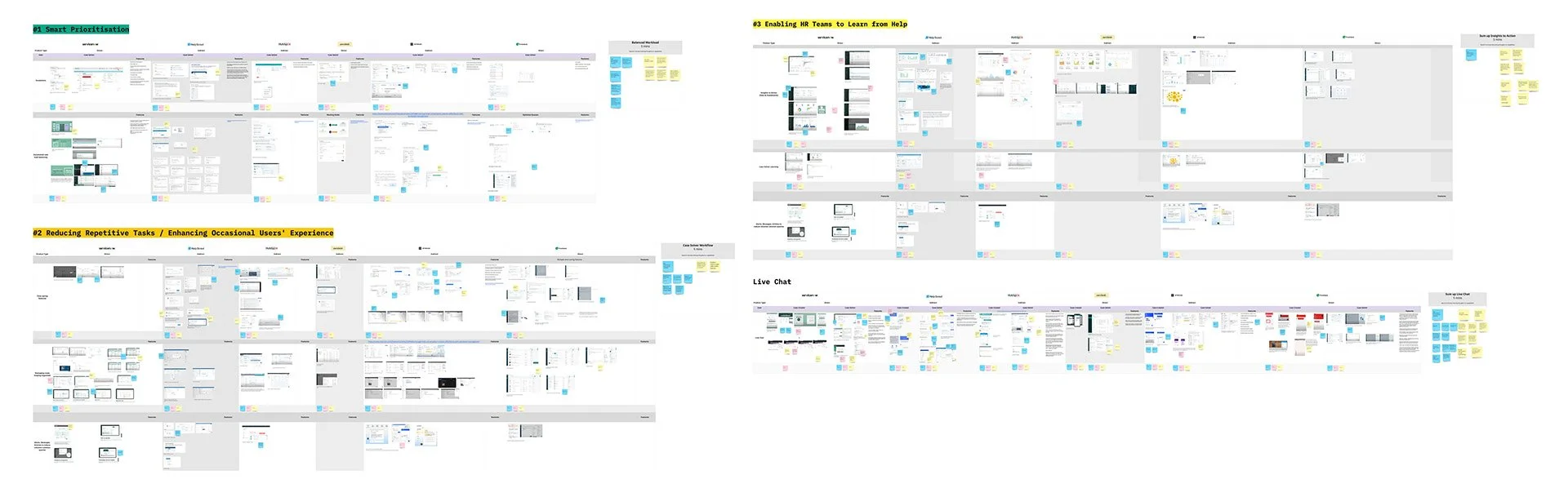
One of the many enthusiastic next step suggestions that emerged from our working sessions and share out was the need to conduct a thorough UX competitive analysis. Making sense of the user problems, opportunities and objectives together encouraged Designers to use the research to guide design and product work.
Setting the Strategy
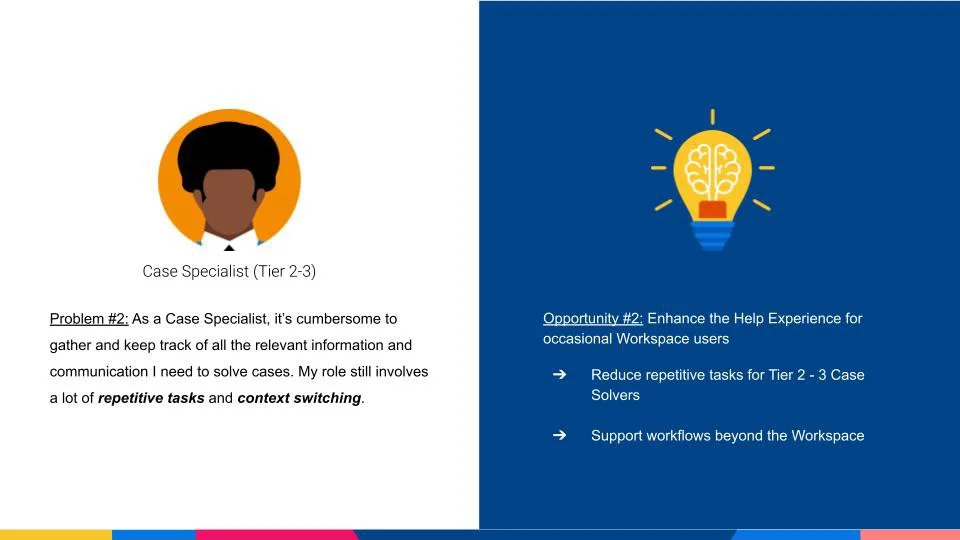
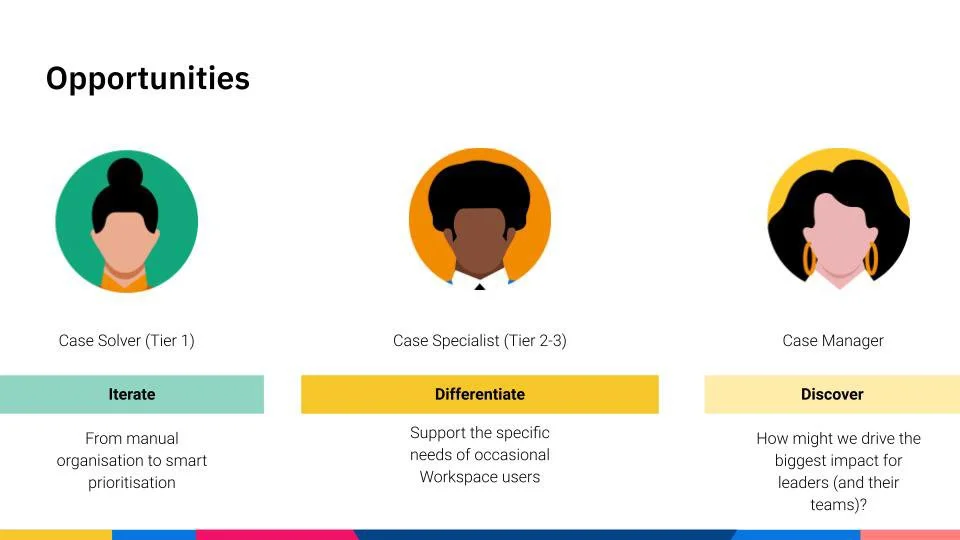
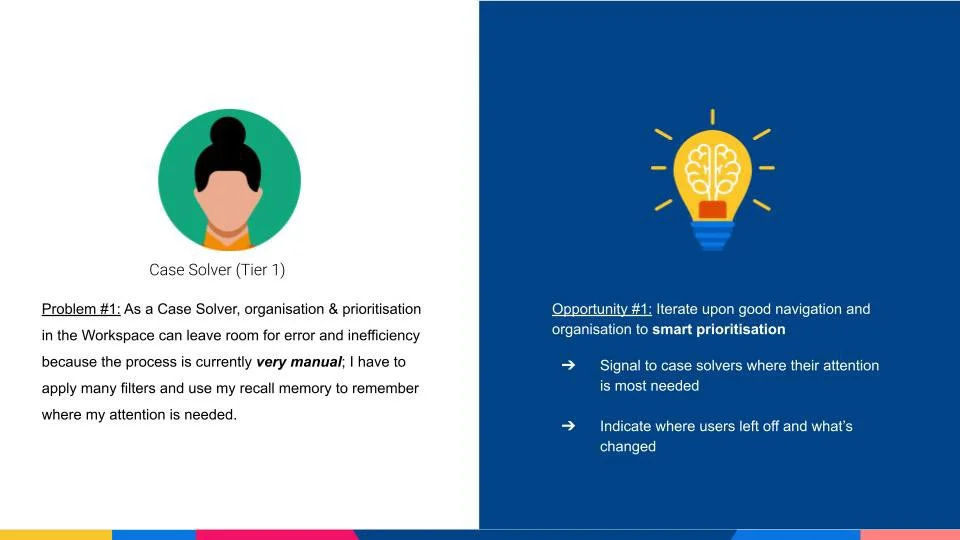
Based on core user problems identified from our holistic view of the E2E user experience and competitor landscape, key opportunities were identified to inform Design Research and Product strategy for the next release, e.g. iterating upon good, manual navigation to smart prioritisation and system signals
Influencing Product Vision
What emerged were specific, updated, priority user problems to solve for, along with clear product opportunities that are research-informed and could guide the next product vision. These opportunities were then used in our annual Product Strategy & Vision workshops to inform the next iteration of Help's product roadmap.
To wrap up this project and encourage stakeholders and team members to engage in the research further, I finished with a call-to-action to sign up for an Innovation Day Ideation Workshop. 12 developers, designers, product managers and product director joined me to bring these opportunities to life on paper. 7 of these ideas have been assessed and are now in a backlog for developers and designers to pick up during their 'Innovation Days' (held once monthly).

What I'm most proud of is the longevity of impactful research insights and deep understanding we achieved through this project. There was no full stop end point or hand-over. The relationship built with the users through this work sparked continuous conversations and UX activities that were spearheaded by user research because it was meaningful to all functions of the product team.